From Soaked to Restored: The Technology Behind Flood Damage Restoration
Water damage rarely announces it self politely. A burst pipe, a machine failure, a surprise surge—any of these can deliver hundreds of gallons into your walls, subfloors, and warmth before you've had a chance to react. Understanding what are the results when you produce that contact matters, because emergency water damage is not really a simple task—it's a structured, multi-phase procedure that registered companies follow to come back your home to pre-loss condition.
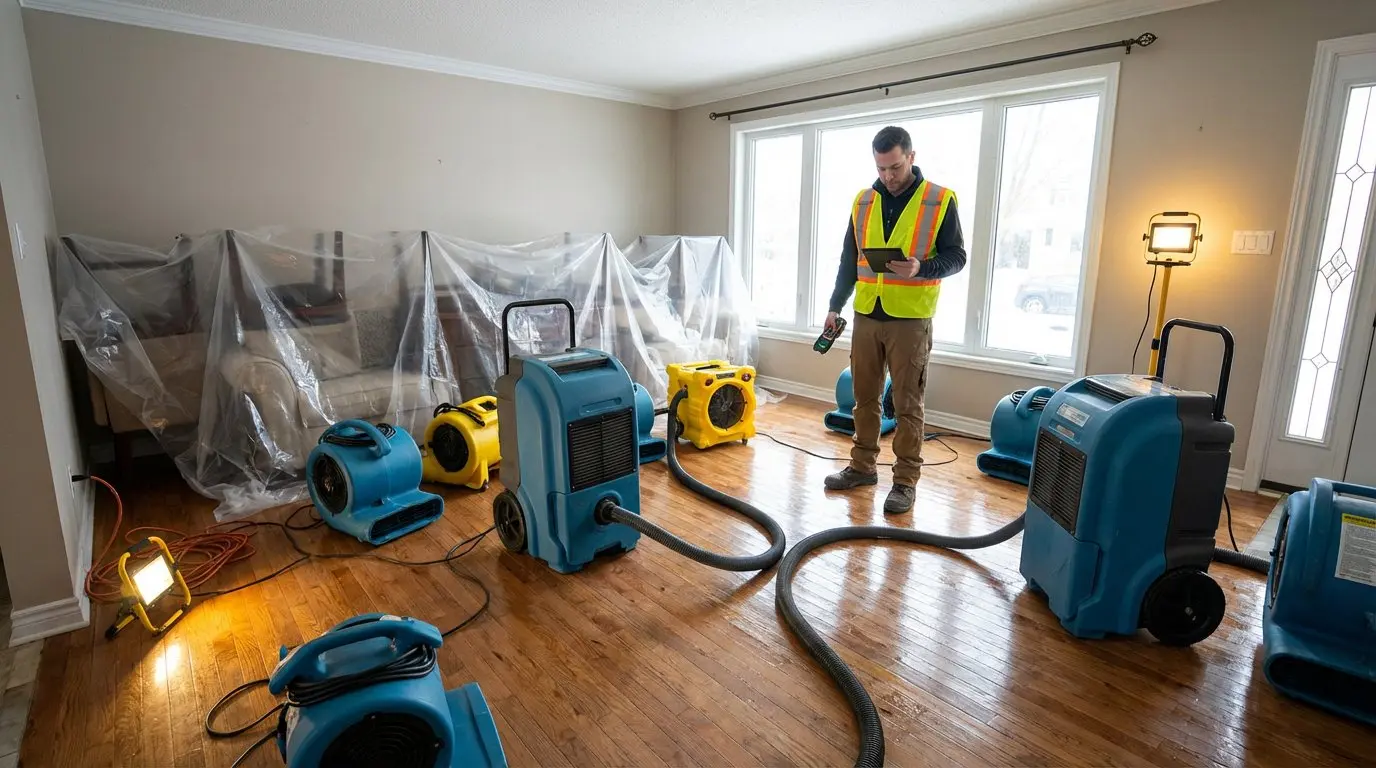
Here's how IICRC-certified experts handle it, stage by step. How quickly does water damage distribute inside a house? Faster than many homeowners expect. Within seconds, water saturates porous materials. Within hours, it migrates in to wall cavities and subfloors. Within 24 to 48 hours—particularly in Georgia's subtropical climate, wherever summer humidity often exceeds 75%—shape starts to colonize. Every time of delay raises restoration costs and health risk. Step 1: Emergency Examination Companies begin with the full website evaluation applying thermal imaging cameras and moisture recognition meters. That maps both apparent and hidden damage— water behind drywall or beneath hardwood can not be identified with the naked eye. Step 2: Water Classification Following the IICRC S500 Standard, experts identify the water source. Group 1 is clean water from offer lines. Type 2 includes natural or compound contaminants. Class 3—black water from sewage or floodwater—needs complete hazmat practices and particular protective equipment. Step 3: Ranking Water Extraction Professional truck-mounted extraction units remove standing water at a rate family wet-vacs just cannot match. Quick extraction limits how much water migrates in to architectural assemblies. Step 4: Structural Drying Industrial air movers and dehumidifiers are stationed in adjusted designs on the basis of the room's proportions, product composition, and ambient humidity. In Georgia, that phase generally operates three to five days. Without professional-grade equipment, drying instances double or triple. Step 5: Humidity Tracking Professionals perform day-to-day humidity parts through the drying phase. This data-driven strategy confirms when structural materials have reached adequate dryness levels—preventing hidden humidity pockets that trigger mold development days later. Step 6: Sanitization and Form Prevention Antimicrobial treatments are placed on all affected surfaces, particularly in Group 2 and Type 3 events. In Georgia's high-humidity environment, this step isn't optional—it's essential. Stage 7: Restoration and Reconstruction When architectural drying is confirmed, technicians repair or replace ruined drywall, floor, efficiency, and cabinetry. Licensed companies also provide complete insurance paperwork, including humidity records, image evidence, and scope-of-work reports. What does water damage restoration generally cost in Georgia? Charges vary somewhat based on the size of the influenced region, water classification, and level of architectural damage. Slight removal events might run a hundred or so dollars. Significant Type 3 activities concerning reconstruction can reach hundreds of thousands. Many common Georgia homeowners insurance policies protect unexpected and unintended water damage—certified technicians assist with documentation for claims.

Why does skilled restoration subject more in Georgia than in drier states? Georgia's damp subtropical weather accelerates every phase of water damage. Mold colonizes quicker, structural components absorb water deeper, and home drying equipment just cannot overcome ambient humidity degrees above 70%. Skilled response within the very first two to four hours may be the simple most effective method to restrict long-term structural and wellness consequences. When water damage moves, the procedure matters around the response time. Registered, IICRC-certified technicians manage every phase—from initial assessment through ultimate reconstruction—so that your property is completely repaired, not only surface-dried.